
An American Tale: Part 1
The White Supremacist Roots of Adoption in the US

I was adopted in 1975, just after the Baby Scoop Era. Contrary to the popular narrative, most of these adoptions were not acts acts of love or selflessness. Most happened at the hands of coercive and predatory tactics within the private adoption industry which left most birth mothers feeling there was no other choice but to surrender their children. Grey adoptions, those that take advantage of regulatory loopholes or weaknesses, also became popular and continue to this day. Grey adoption deals were made on golf courses, law offices, professional conferences, OB/GYN officer, police stations, and labor and delivery wards by parents, clergy, doctors.

Before the Baby Scoop Era, unwed pregnancy was considered a moral failing, but many homes and charities, typically available only to white girls and women, believed the mother should rear her child. It was her responsibility. A path to redemption.
So they supported her.
Likewise, children born out of wedlock to non-white families were typically kept, but for different reasons. These children were reared by a coterie of aunts, uncles, grandparents, and chosen family in communities where keeping the family together has different meaning when your ancestors survived generations being torn apart.
Then, in the mid-1950s, a shift happened. Psychologists and religious leaders began arguing that premarital pregnancy was not just a mistake, it was pathological. A subconscious cry for help. Proof of a disordered personality.
But only for the mother. Boys will be boys.
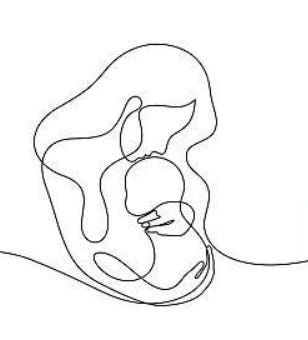
Enter the Baby Scoop Era. From the mid-1940s to 1973, approximately 4 million babies were surrendered for adoption. The combination of pathology and the promise of redemption was super-fueled by the social stigma against single and/or working mothers, coercive adoption tactics - often fear-based and tied to religious extremism, and the use of maternity homes, which increased the risk of isolation, high pressure tactics, and constant surveillance.
Leading up to the end of the Baby Scoop Era, the US was experiencing a time of rapid social and political change. The Vietnam War was coming to an end, and landmark Civil Rights decisions, such as the passage of the Voting Rights Act in 1965 and Loving v. Virginia in 1967, opened the door to the possibility of a more equitable US. In 1972, The National Association of Black Social Workers released a statement, opposing transracial adoption, referring to it as “cultural genocide” for Black children. This statement remains unchanged to this day. As more people were exposed to those outside of their race and the open exploration of biracial relationships became more common, white supremacists in power began a chess game that we are just seeing play out today.
As disco entered the airwaves, things began to change for women due to the rise of the feminist movement, anti-war ideology, access to birth control, and the passage of Roe, which granted all women access to safe, effective, reproductive care. Then, in 1978, we saw the passage of the Indian Child Welfare Act (ICWA). Finally, after hundreds of years of forced native family separation, tribal leaders gained complete oversight of the adoption of any native child. These social changes provided opportunities for change, for education, and for reckoning.
By the dawn of the 1980s, women could choose if and when they became pregnant, and if they stayed that way. Women were graduating from college and entering the workforce at higher rates than ever before. For the first time, women could get a credit card, a mortgage, a car loan, and a no-fault divorce. Far from perfect, the feminist movement lacked intersectionality, and white men and women are still being paid much more than their non-white counterparts. Still, women were empowered as they never had been before.
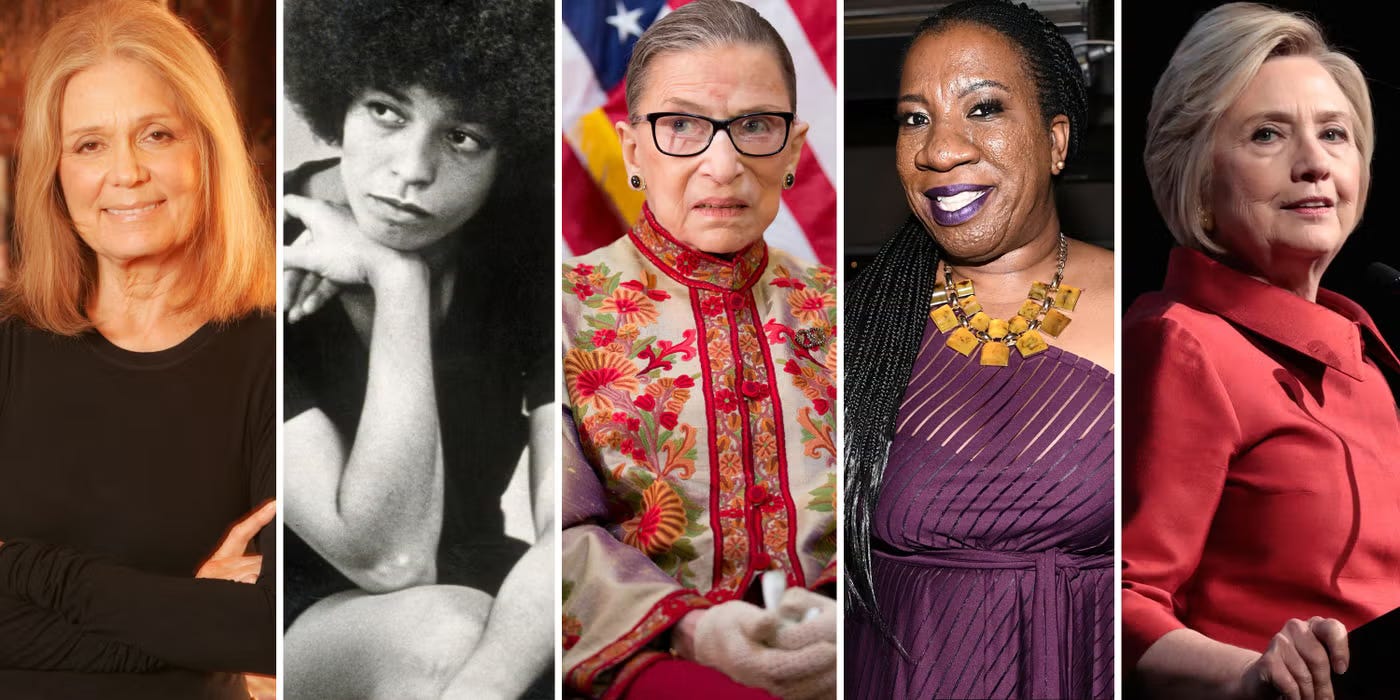
Unfortunately for women, all of this progress contributed greatly to a shortage of healthy white infants. This did not sit well with most religious conservative leaders. The pro-life and evangelical movements, led by Jerry Falwell and heavily promoted by conservative politicians, were born out of a need to control the bodies of girls and women, in the name of Christianity. Calling themselves the “moral majority”, their message was…
Pro-family: white, middle class or “hardworking”, Christian, obedient, no divorce, no unplanned pregnancies;
Pro-life: we need more babies, and;
Anti-communist: fund national defense.
So they brought back the pathology, the shame, the promise of redemption, and added the element of deservingness in their messaging, sermons, youth groups, church camps, school programs. It was everywhere.
But who were the deciders?
Who decided which woman was deserving of redemption? Of support?
What about justice?
I'm interested in the idea of "grey" adoption. I think this was what happened to me and my son in 1962 - the Obstetrics & Gynae man I was referred to in a different city was known, probably quite well, to the O & G man I consulted in my home town. My son and I were passed between them in a sort-of old boys' network. They probably knew eachother at med school.
The transactional nature of adoption back then, I don't doubt for a moment. We were really pawns being moved around a board where everything was tidied up and the sacrosanct family "ideals" of capitalism were reinforced.
Thanks for a thoughtful piece.
Thank you for this article! Unquestionably adoption as a family planning tool is based on the exploitation of vulnerable women by primarily white, affluent and often religious people. The Baby Scoop Era is evidence of the racist roots of adoption.